Buying property
Visiting a Property: What to Check
France does not require a mandatory structural survey before a sale — so your own eyes, your own questions, and someone experienced walking the property with you matter more than ever.
Once you are in France and start visiting properties, it helps to walk in already knowing what typically gets missed — in a country whose property culture, and its very housing stock, differs distinctly from what you may be used to.
Unlike some countries, France does not require a mandatory independent structural survey before a sale. The diagnostics you'll be handed tell you specific, legally defined things — energy performance, presence of lead, asbestos, termites — but they don't replace your own eyes, your own questions, or, ideally, someone experienced walking the property with you.
Questions worth asking on every visit
A short list of questions that consistently surface useful information:
• Why is the seller selling, and how long has it been on the market? Genuinely useful for gauging negotiating room.
• What year was it built, and has it been extended or renovated — and were those changes properly declared (a déclaration de travaux or a permis de construire)? Undeclared work can complicate a future resale or insurance claim.
• How is the property heated, and what were the actual running costs last year? Rural homes in this region still commonly rely on oil, wood, or electric convector heaters, all of which vary hugely in comfort and cost.
• Which way does the house face, and how much shade does it get in summer? — relevant given the hotter-summer trend covered in Chapter 4.
• What's the actual broadband and mobile signal at this exact address? You can check it in real time on the ARCEP website maconnexioninternet.arcep.fr.
• What can you hear from the garden or the bedroom windows — a road, a neighbour's workshop, church bells, a weekly market being set up at dawn?
If it's an older or rural property
Older and rural properties carry a different set of checks. Each of the following is worth asking about directly:
• Roof condition and approximate age — reroofing a large stone farmhouse is one of the more expensive renovation items in this region, easily running into five figures.
• Signs of damp, especially at ground-floor level — rising damp (remontées capillaires) is common in older stone construction and not always obvious on a summer viewing.
• Assainissement non collectif (private septic system), if the property isn't connected to mains drainage: ask to see the SPANC compliance report specifically, not just take the seller's word. If the system is judged non-compliant, French law gives the buyer — not the seller — one year after signing to bring it up to standard, at a typical cost between €6,000 and €20,000. This is one of the most consequential and most commonly under-discussed line items in a rural purchase.
• Boundaries and rights of way (servitudes) — shared access tracks and rights of passage across neighbouring land are common in the countryside; ask specifically whether any part of the access to the property crosses land you won't own.
• Hunting rights (droit de chasse). Much of rural France is organised into communal hunting associations (ACCA), which by default can hold hunting rights over private land in the commune — though land within 150 metres of a dwelling is automatically excluded, and larger landowners can formally opt out. If hunting activity near the property matters to you, it's worth asking directly rather than assuming.
• Outbuildings — are the barns, sheds or converted dépendances actually included in the sale, and were any conversions legally declared? A charming "guest barn" that was never declared to the mairie can complicate both insurance and any future work.
Protected zones and heritage restrictions
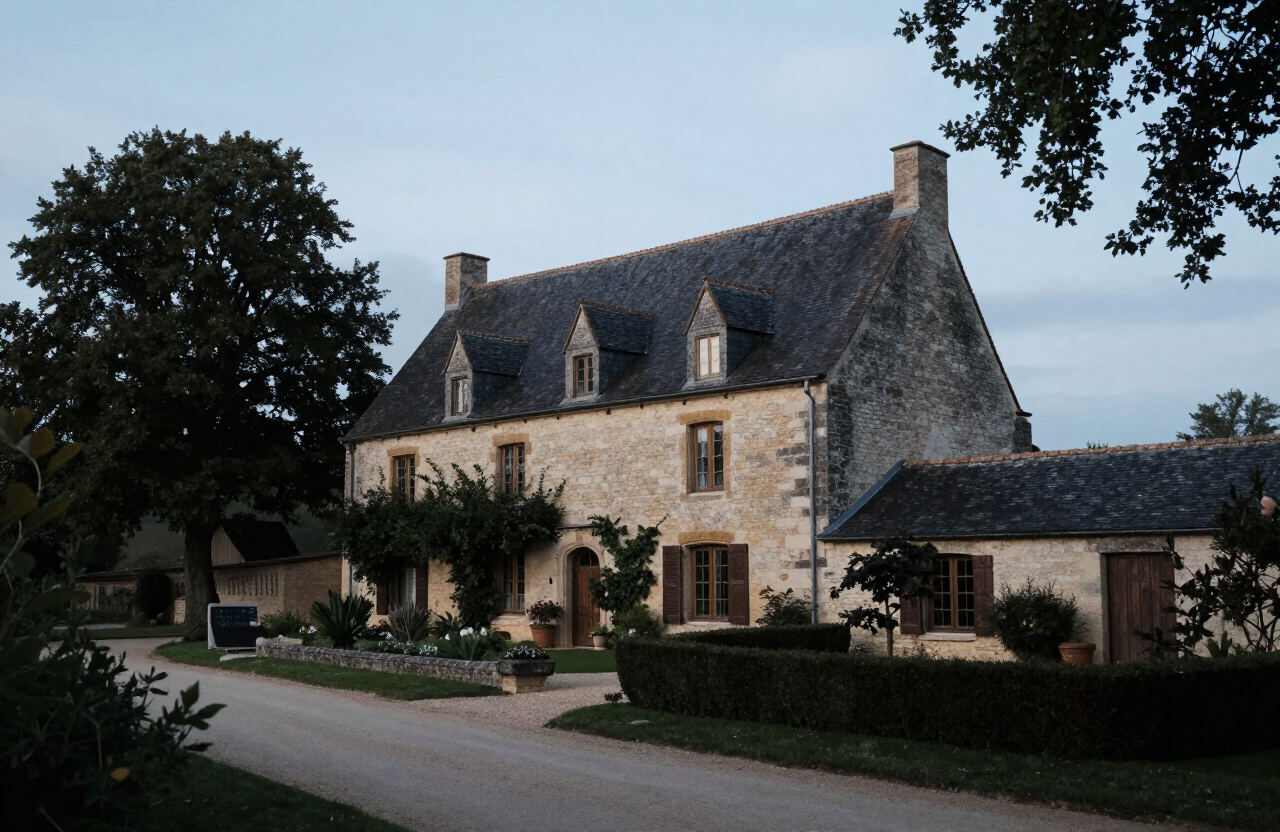
Parts of Dordogne, Charente, and Charente-Maritime's historic centres — including well-known towns like Sarlat and Périgueux — fall under the oversight of the Architectes des Bâtiments de France (ABF). In these zones, any change to a building's exterior (windows, shutters, roofing, render colour) typically needs ABF approval before the mairie will authorise it, which can add both time and cost to renovation plans.
Separately, every commune's Plan Local d'Urbanisme (PLU) sets its own local rules on what can be built or changed. If a property comes with renovation plans attached to your decision to buy it, it's worth asking the mairie directly about both of these before you commit — not after.
A few practical habits worth adopting
• Visit at more than one time of day if you can — a peaceful garden at 11am can sit right under a flight path or next to a lively bar at 7pm.
• If your French isn't fully confident, bring someone who can ask these questions fluently on your behalf — details get lost in a polite, rushed exchange at a viewing.
• Ask for the diagnostic file (covered in Chapter 8) before or during the visit, not after you've made an offer — it's meant to inform your decision, not just close the paperwork.
What this means for you
The right questions, asked at the right moment, won't dull the charm of a good property. They'll just make sure the charm is the only surprise waiting for you after you've signed.
If you need some independent advice or a second opinion when going through the process of buying property, please feel free to contact us.
Sources
You might also find helpful
Need help navigating France?
We guide buyers and newcomers through every step — from property search to administrative set-up.
Book a free consultation · See all services